A New Era of Intentional Motherhood: Sophia, Choice, and the Return of Sacred Consent
The birth rate is falling, and everyone from economists to pundits is treating it like an emergency. But maybe, dear reader, this isn’t a crisis at all. Maybe it’s a Sophia moment — a return to conscious creation after generations of unconscious, unwilled birth. Choice, once denied to our foremothers, is finally available, and it is changing everything about how life comes into the world.
Choice as Sacred Rebellion
For most of history, a woman’s body was not fully her own. Marriage, motherhood, and the number of children she bore were decided by circumstance, family, church, or husband long before she ever had a say. Her yes was assumed. Her no was unspeakable.
Today’s generation is doing something radically different. They are pausing. Feeling into readiness. Asking whether this is the right soul, the right season, the right union — before saying yes to bringing forth new life. That pause is not selfishness. It is the first real bloom of agency after centuries of women being asked to create without consent.
And what we are watching is not the end of motherhood. It is the beginning of motherhood as an act of will. Will, in the esoteric traditions, is everything.
Sophia’s Fall and the Peril of Unwilled Creation
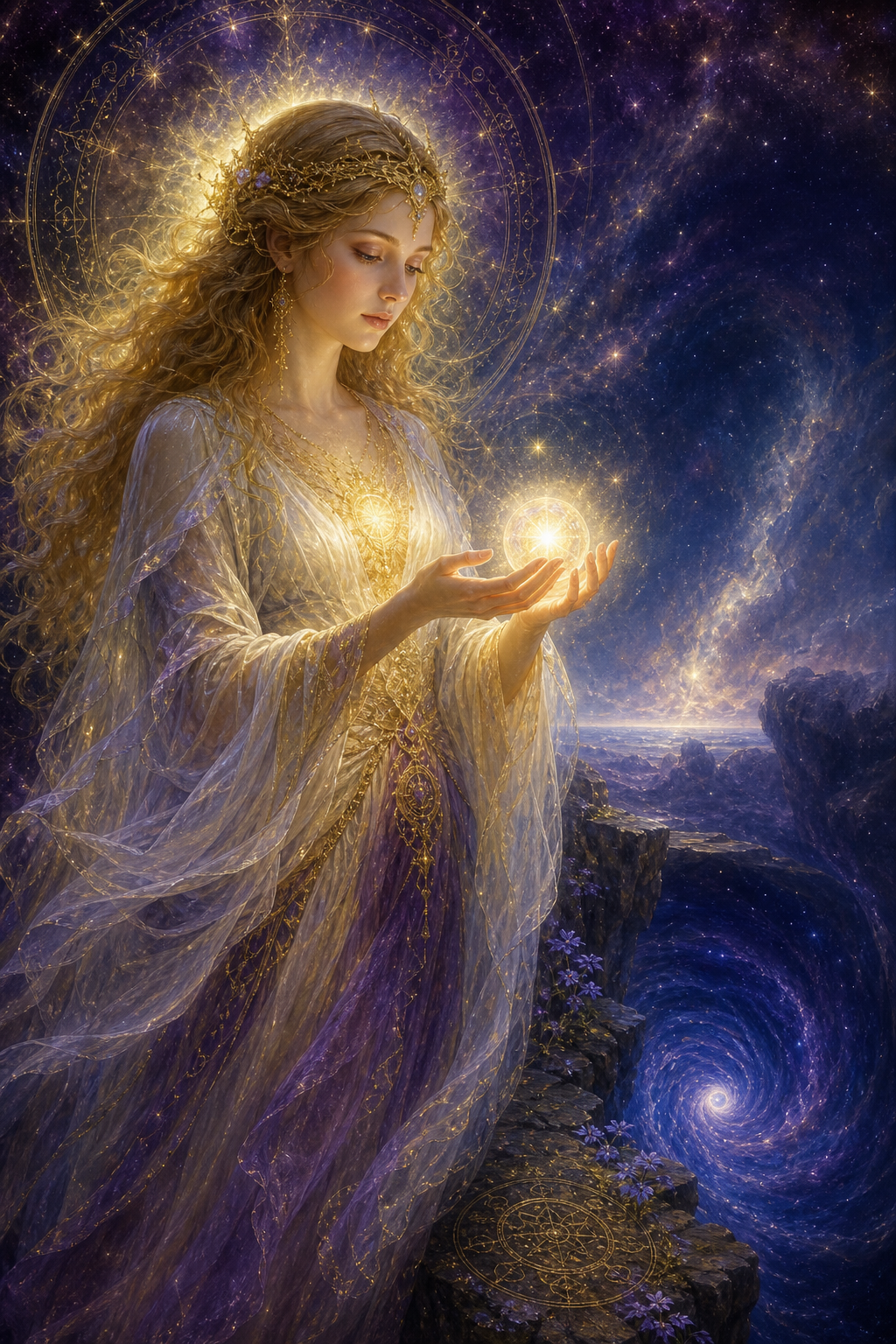
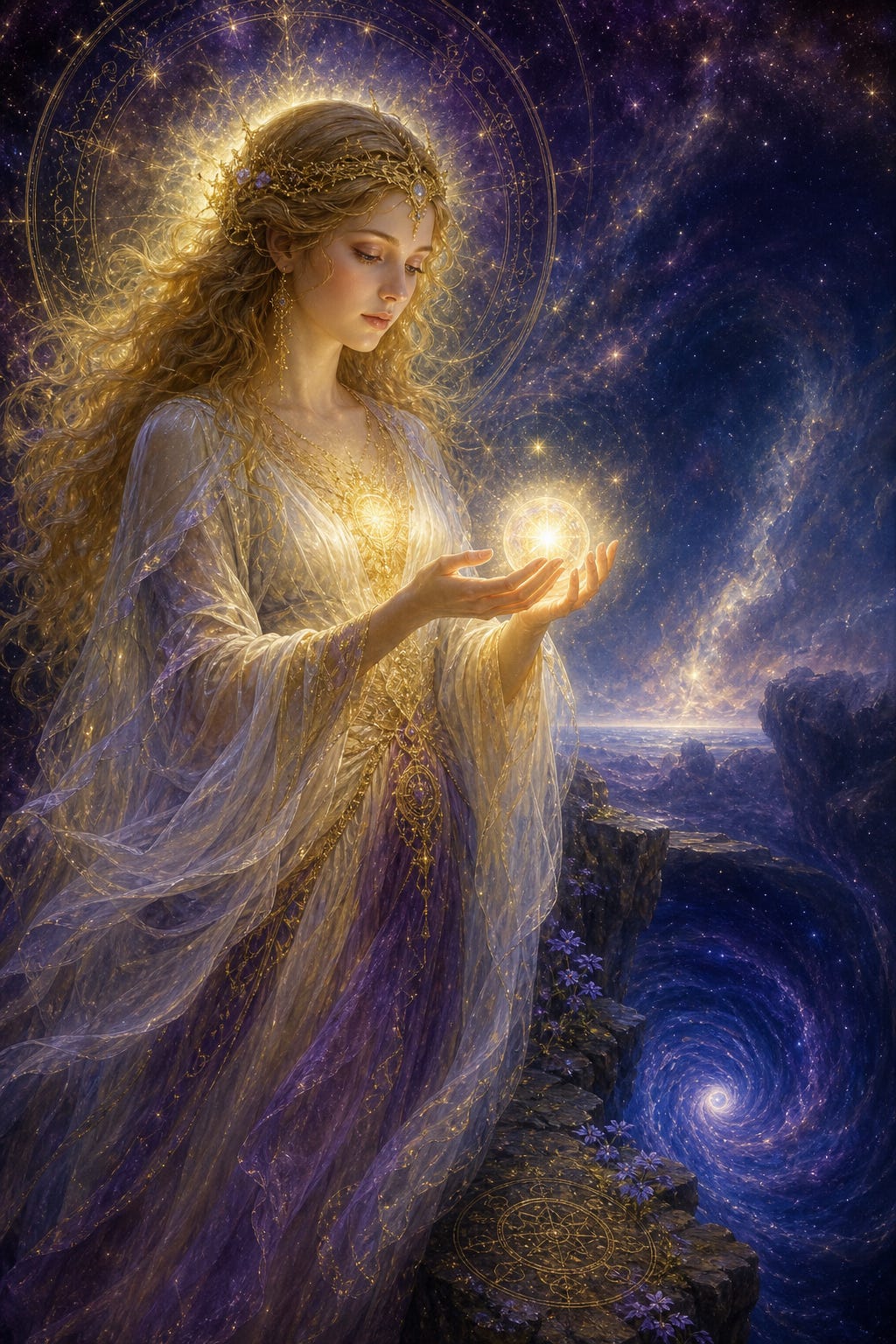
In Gnostic cosmology, the myth of Sophia offers a startlingly precise mirror for this moment. Sophia, youngest of the divine Aeons, attempted to create entirely on her own — without her divine consort, without the Father’s consent. That single act of creation without partnership, without full readiness, without integrated will, produced the Demiurge: a blind and flawed craftsman who in turn shaped the material world we inhabit, a world marked by ignorance and suffering.
Notice the shape of her error. Sophia’s mistake was never that she created. Her mistake was that she created alone, out of yearning rather than wholeness, and the consequences rippled outward for aeons.
It is difficult not to see an echo of this in humanity’s long history of births that happened to women rather than through them — conceptions born of duty, pressure, or the plain absence of any alternative, generation after generation after generation. If Sophia’s myth teaches anything, it is that creation performed without full consent generates distortion. The Gnostics went so far as to suggest that refusing unconscious procreation helps gather the scattered divine sparks back toward their rightful home. Choosing motherhood deliberately — or choosing not to — becomes, in this light, a form of spiritual correction.
The Hieros Gamos: Creation as Sacred Union
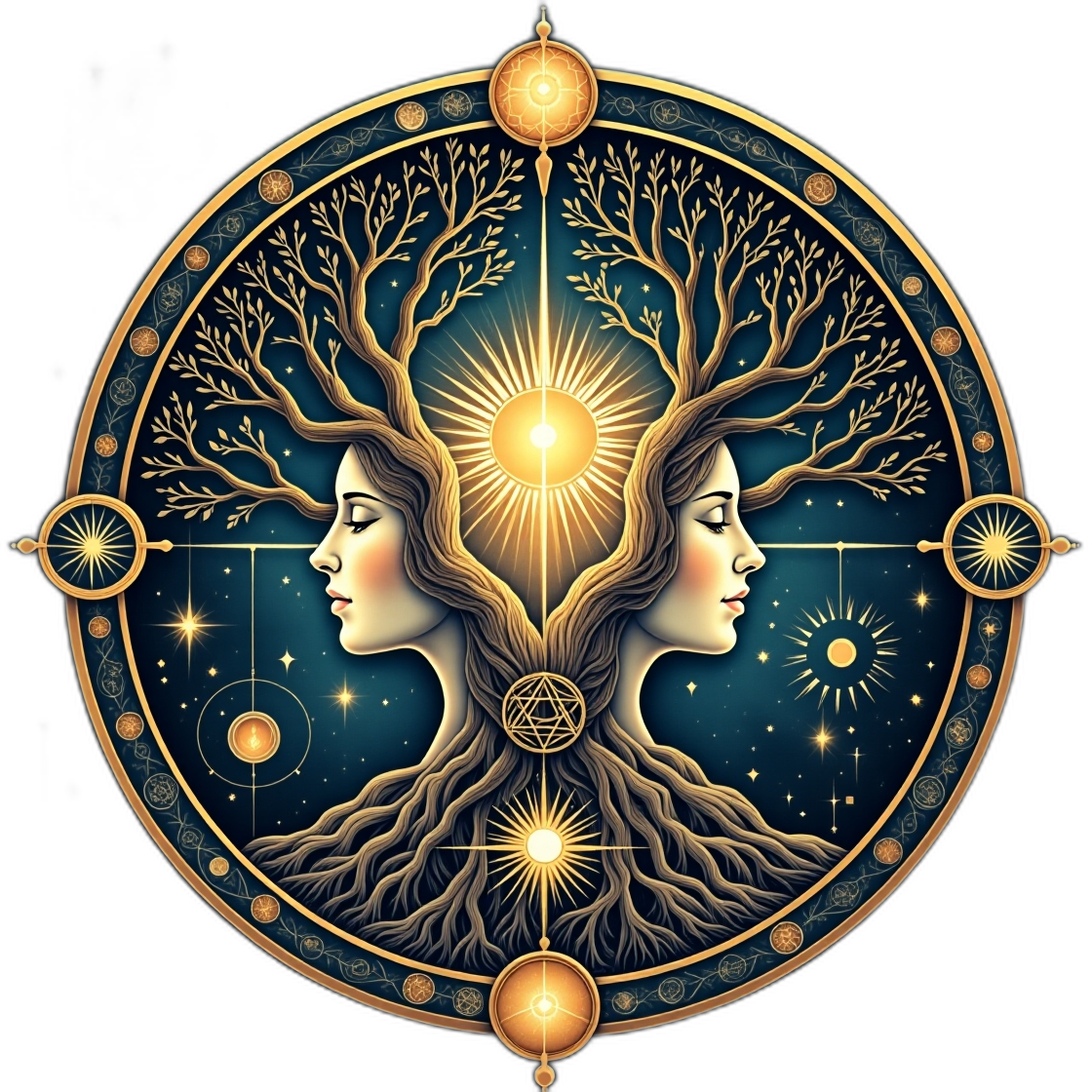
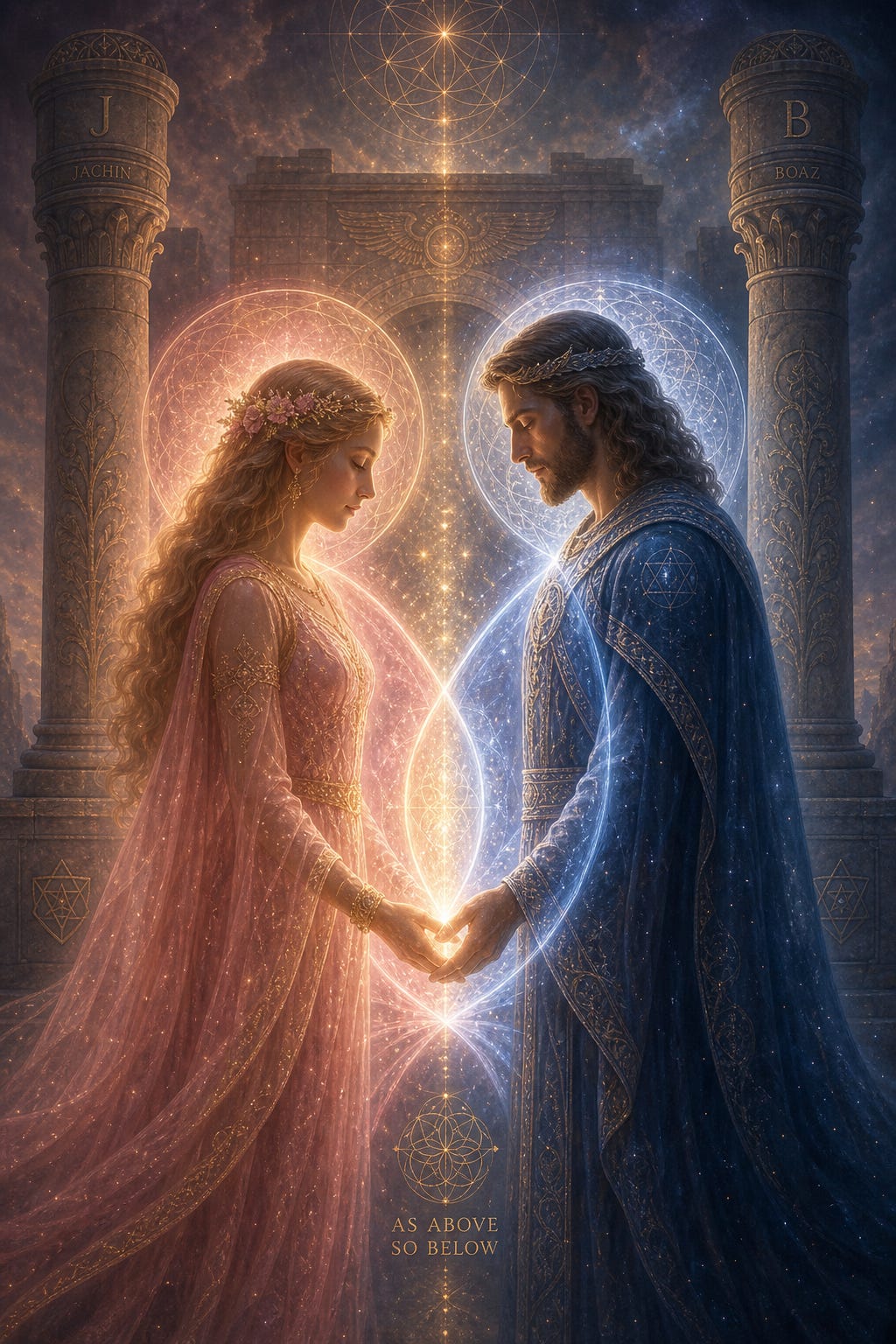
Esoteric Christianity has always preserved the idea that true creation requires the hieros gamos — the sacred marriage of divine masculine and divine feminine, will and wisdom, intention and receptivity, moving in conscious union rather than one principle overriding the other.
Mary Magdalene, in the Gnostic gospels, is remembered as the one who received the deepest transmission of gnosis from Yeshua. The “kiss” between them was never romance in the way the modern imagination insists. It was the passing of sacred knowledge between two whole, awakened beings. Their union models exactly what we lost somewhere along the way in our mainstream story of family formation: two people, or a single soul, choosing with full clarity before bringing forth new life.
Even the numerology surrounding the Magdalene points this direction. Her Greek title sums to 153 — the Church of the Fishes, tied to the vesica piscis, that ancient almond-shaped symbol of the sacred womb and the creative matrix itself. Nothing about her identity was left to accident. That is the pattern worth holding: sacred creation, whether of a child, a work of art, or a soul’s next incarnation, has always been most powerful when it is deliberate.
Reframing “Generational Healing”
The language of generational healing is everywhere right now, and it resonates for good reason — though the esoteric traditions frame ancestral influence differently than the popular therapeutic version suggests.
Rather than inheriting a literal curse from our grandmothers, esoteric teaching holds that each soul draws itself into a family lineage through its own karmic resonance. We are born into the families we are meant to learn alongside, working out our own unfinished lessons rather than absorbing someone else’s sin. Under this view, the healing happening now isn’t ancestral trauma dissolving by proxy. It is that souls are finally incarnating — or choosing not to — under conditions of consent that make conscious spiritual work possible for the first time in generations.
Either way you frame it, the throughline holds. A woman who freely decides if and when to bring a soul into a body is participating in exactly the kind of aware, willed creation that both Sophia’s myth and the hieros gamos point toward. That is the deeper healing: not inherited wounds vanishing on their own, but the return of conscious choice to the mechanism of creation itself.
Motherhood chosen from wholeness, and childlessness chosen from clarity, are both sacred acts. Neither needs a statistic to justify it. Both are simply Sophia, at long last, choosing with open eyes.


You May Also Like
John the Baptist: Herald of the Aquarian Age: A Journey Into the Mystical Waters Where Sacred Prophecy Meets Cosmic Consciousness.

Where Chaos Yields to Sacred Balance: The Legacy of Charlie Kirk and the Divine Union