Gnosticism and the Secret about Yeshua
When the Pulpit Turned Cold
I have been going to a mainstream Christian church for a while now, and if I’m honest, I’ve liked it. I liked how I could sit with teachings about the heavenly Father and then bring that knowledge home to the other half of my work — the divine feminine, the slow labor of restoring the heavenly parents, Father and Mother, to their rightful place side by side. That balance has always felt like the whole point.
This Sunday put a hole in my stomach.
From The Desk of Archives of Inquiry is a reader-supported publication. To receive new posts and support my work, consider becoming a free or paid subscriber.
My pastor doesn’t usually wander into other traditions or philosophies. But this week he brought up Gnosticism. I’m used to people not believing in it — that’s fine, that’s their path, and I can sit with disagreement without flinching. What I couldn’t sit with was what came next.
Heresy Is One Thing. “Burned at the Stake” Is Another.
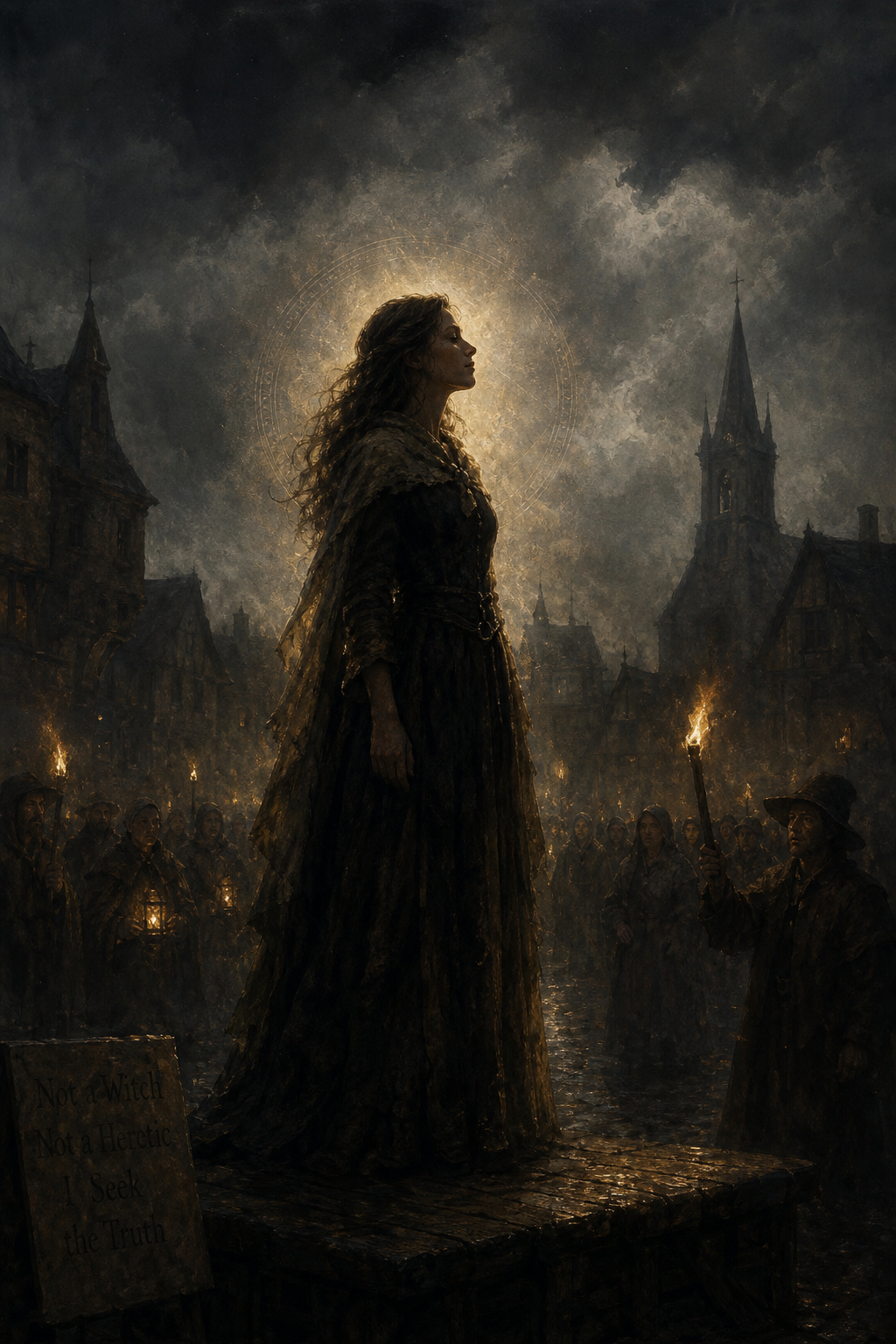
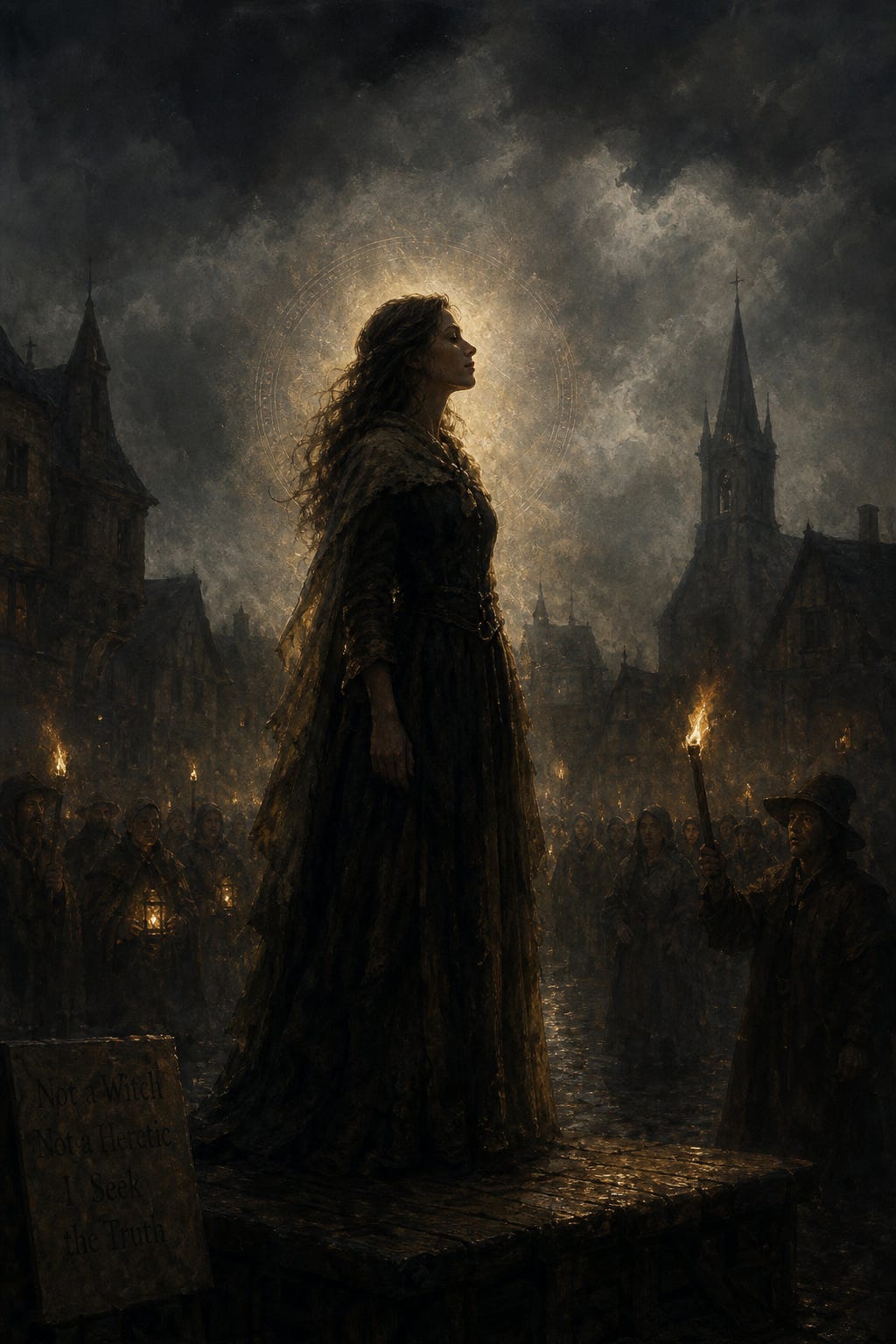
He didn’t stop at calling Gnostic thought heretical. He said those who proclaim it should be burned at the stake.
This is 2026, not the sixteenth or seventeenth century. And that phrase landed somewhere old and raw in me, because it isn’t just a rhetorical flourish — it’s a real historical wound. Early Christian Gnostics were genuinely persecuted, their texts burned and their teachers exiled or executed, once the institutional church consolidated power in the fourth century onward. Scholars trace the machinery of that persecution to Roman imperial law under Theodosius, which made Nicene Christianity the only legal form of the faith and criminalized the rest — a slow, uneven, but very real campaign of suppression. Centuries later, groups like the Cathars, who carried forward Gnostic-leaning beliefs, were slaughtered outright — over two hundred burned alive at Montségur in 1244 alone. This isn’t an ancient rumor. It’s documented history, and hearing it invoked casually, from a pulpit, in this century, is not a small thing.
If he had simply said it was heresy in his tradition’s eyes — fine, that’s a theological stance I can accept as his own. But “burned at the stake” isn’t theology. It’s a threat with blood already on it.
Witch Hunts Were Never About Witchcraft
I’ve written about this before, more than once, because it’s the subject I keep circling back to. The witch hunts were never really about magic. They were about hunting down people — women most often, but men too — who showed independence, strong minds, and the willingness to question authority. Historical analysis backs this instinct: scholars like Starhawk have linked the witch persecutions to the suppression of independent knowledge and the “war against the consciousness of immanence” that was embodied in women, sexuality, and folk wisdom. There is nothing wrong with those traits. If anything, the world needs more of that kind of courage — more people willing to awaken others to what actually happened, instead of letting it fade into a footnote.
I would have thought, naively maybe, that modern Christianity had moved past this. And yet here I am, writing about it again.
Sophia, Not Satan
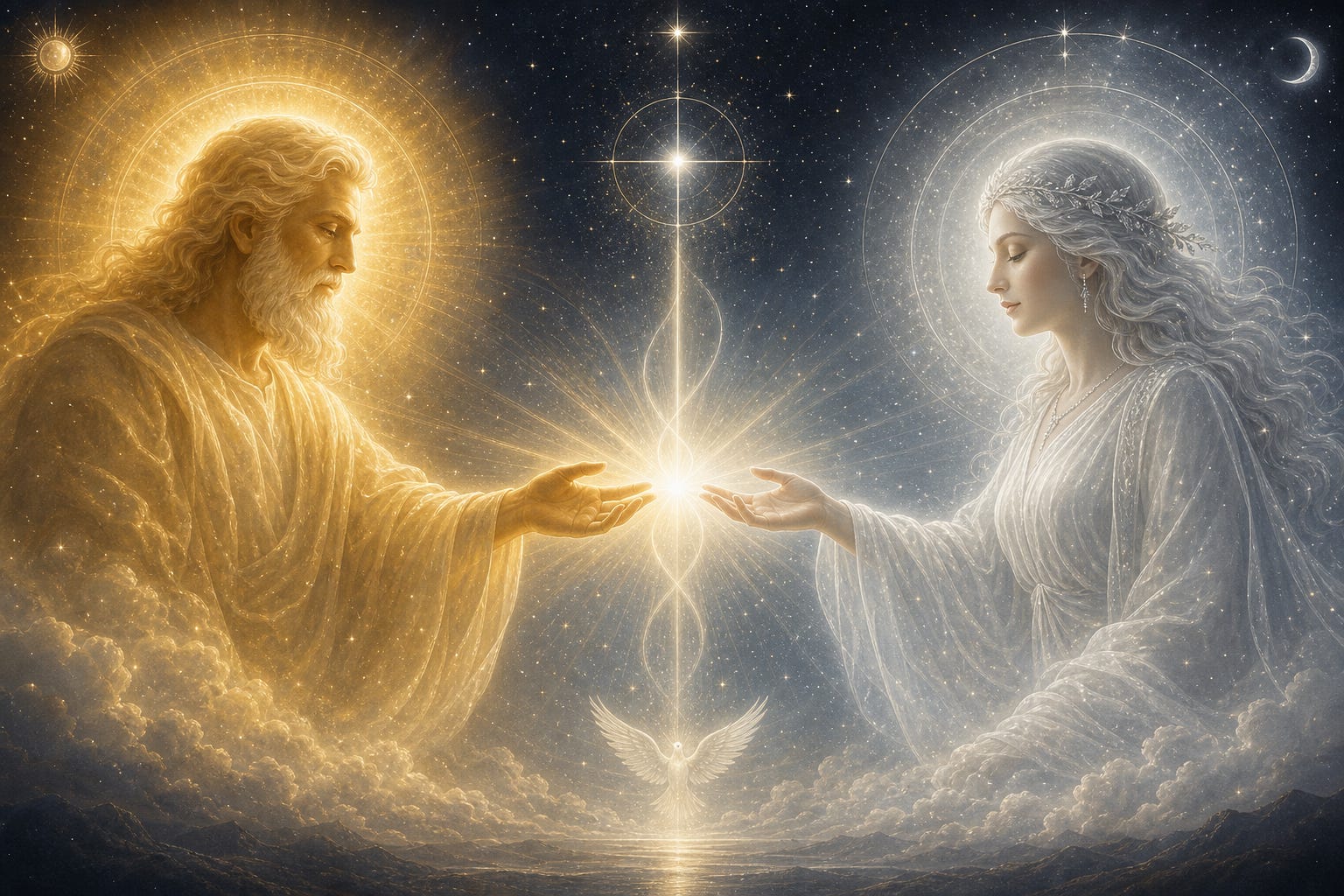
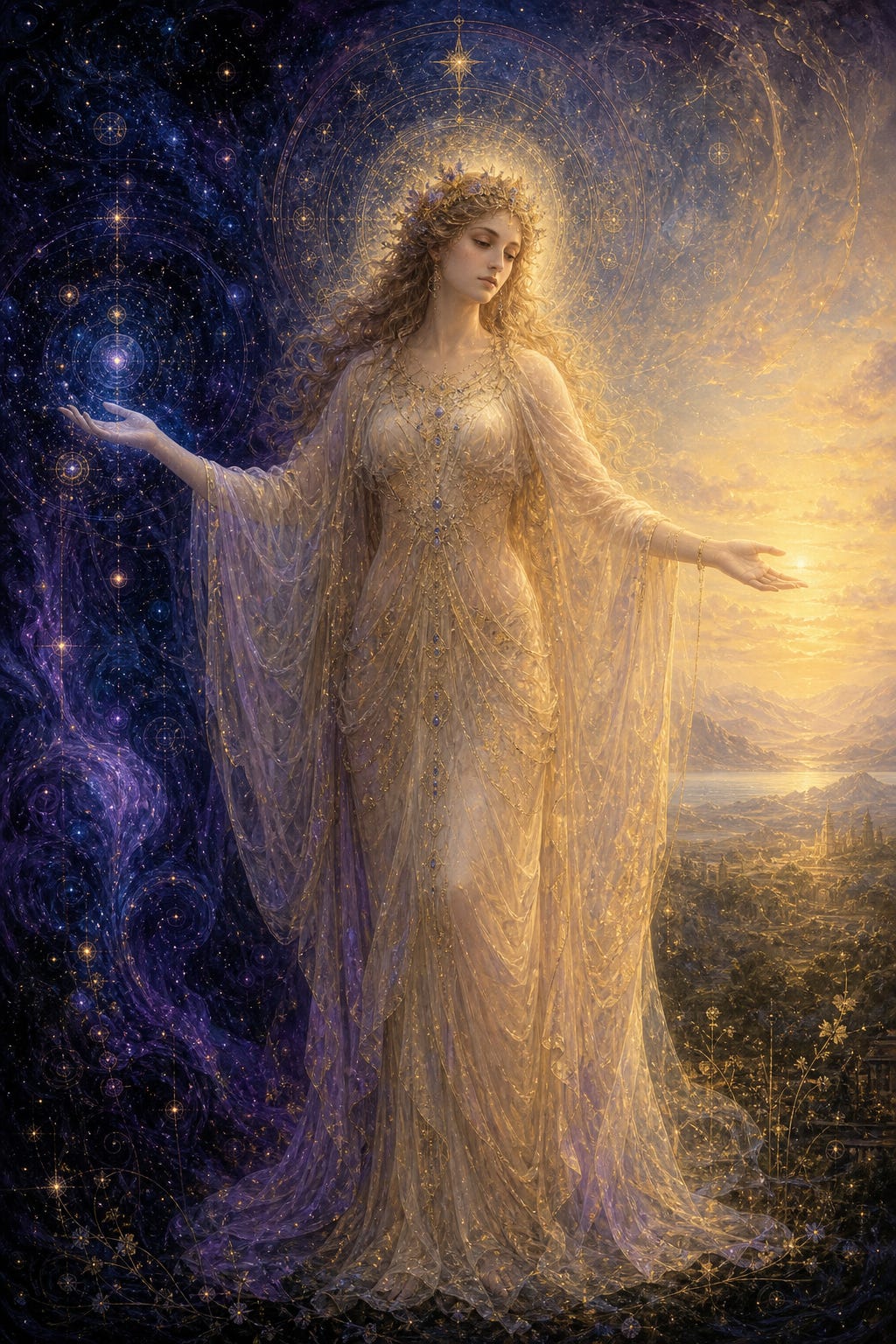
I don’t believe in Satan. I don’t believe in sin the way it was handed to me growing up. What I believe in is Sophia — the divine feminine wisdom that Gnostic tradition holds as the counterpart to the Father, the figure Gnostics saw as an active, creative aeon working alongside Christ rather than beneath him. Some traditions even hold that the early church understood the Holy Spirit itself as feminine — Sophia, the Shekinah, God-the-Mother — before that understanding was written out of mainstream doctrine. That’s not fringe invention; it’s a thread running through Hebrew wisdom literature, Gnostic cosmology, and centuries of suppressed theology that scholars are only now recovering.
That’s the work I’ve been doing — reuniting the heavenly Father and the heavenly Mother, because a faith with only one parent in heaven has always felt incomplete to me.
Then He Opened the Door — Just Not All the Way
After the burning-at-the-stake comment, the pastor pivoted to talking about welcoming non-believers, about how anyone who didn’t like the message could leave, no judgment. On the surface, that sounds generous. But it landed as hollow. What you believe is your own spiritual path to walk. My work exists to help people get their bearings — a compass, not a map someone else draws for you.
I don’t like being threatened with burning at the stake. And I don’t like hypocrisy dressed up as open-mindedness.
What I Actually Believe
I spent the rest of that Sunday and most of the next day sitting with what I wanted to say. Mostly, it comes down to this: I can’t believe people still think this way. I love learning. I love gaining knowledge and figuring out, on my own terms, what I actually believe. Because at the end of the day, we are all seekers on our own spiritual path.
No one — and I mean no one — has the right to threaten you, name-call you, or tell you you’re wrong simply because they’ve decided their god is the only Chosen One worth following.
I love God. I love Yeshua. I love our Mother Sophia. They are the world to me.
But I will not sit in a place that jokes about burning people at the stake. I wish that church well, and I sincerely hope that they find a gentler way of thinking.

You May Also Like
Tithing in Esoteric Christianity: The Divine Feminine, Sacred Masculine, and the True Wealth of Spirit

The Divine Feminine and Esoteric Christianity in Tolkien and Lewis’s Mythical Realms